
“Keeping the metabolic rate up is the main thing, and there are lots of ways to do it.”
Copied!Where Diet Ideologies Fail
Carnivore, keto, vegan; diet ideologies are popular because they’re simple guidelines that promise great benefits to their followers, be it health, weight loss, a clear conscience, etc. Of all these ideologies, veganism claims two fantastic things: an ethical way of eating and a healthy way of eating, but it’s neither of those.
Veganism is built on the idea that it is an ethical diet; many of its adherents also claim that it is the healthiest diet, or that it’s even the natural human diet. If these claims are true, we have an incredible coincidence on our hands. Why should we expect a way of eating based on the arbitrary ethic of not consuming animal products to lead to good health? What do those two things have to do with each other? What even is health?
It isn’t that health and ethics are totally unrelated, it’s that veganism is a bad ethic. In veganism, it’s wrong to kill animals or exploit them for resources. Why? What is this moral dictation? Where did it come from? Who told you this? You care about animals, what about plants? Why is it okay to kill non-animals? What is exploitation? Is that the only relationship we can have with animals?
Veganism is anti-plant, it’s anti-animal, it’s anti-human, it’s anti-health, and it’s anti-life.
A better ethic would be something like this: Life is good. Not only does this ethic cover our moral concerns for how other creatures are treated, it also gets at what we’re really talking about when we talk about our health— protecting and increasing our life.
When you shed the modern world’s sacrificial, quantitative, restriction-minded view and begin to value life, that will express itself in your relationship to nature, and nature will give back to you, literally. When you care for nature, nature cares for you.
All vivanism offers is life.
What is Health?
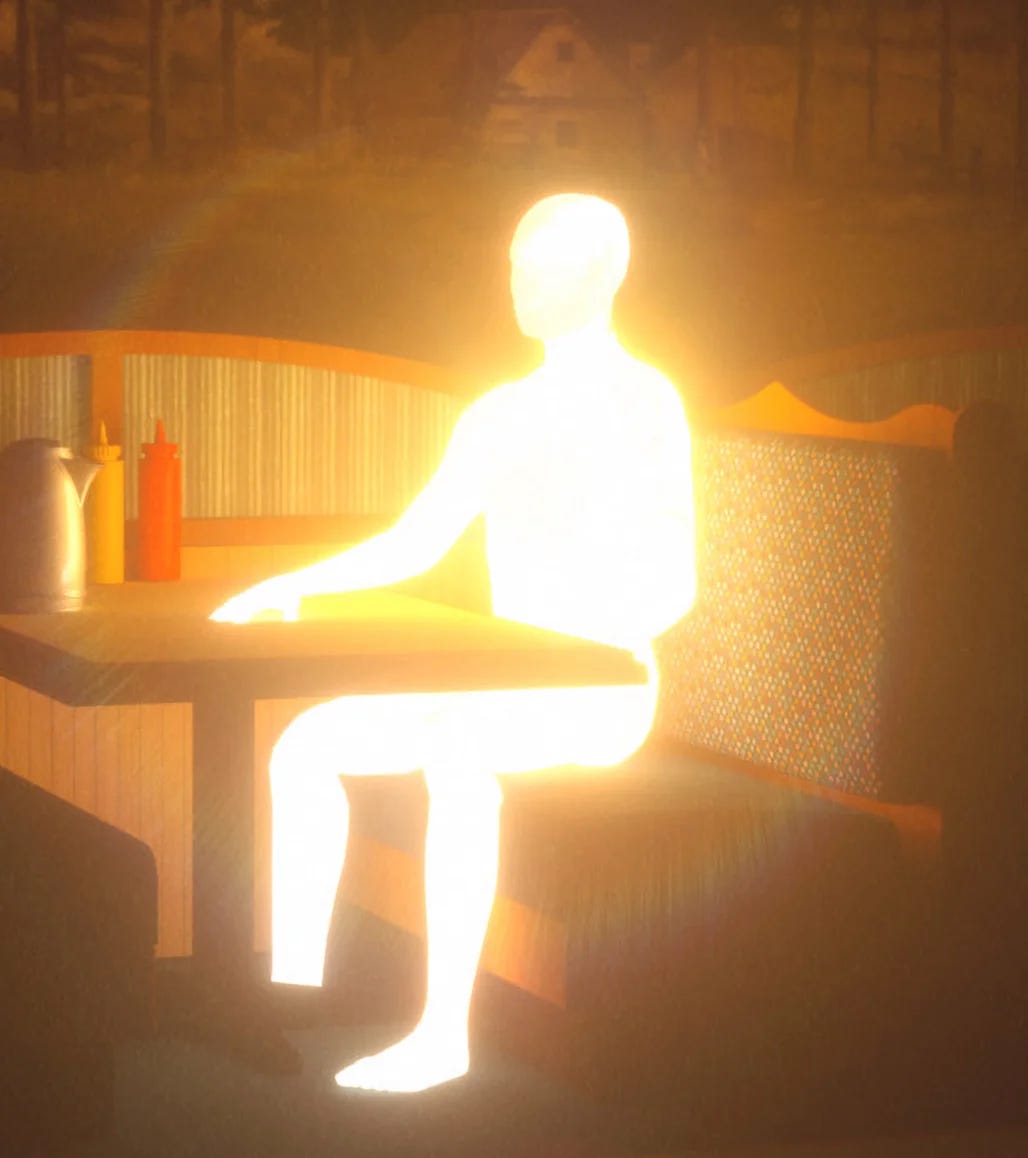
Health is a nebulous thing to most people; if you ask around you’ll hear opinions like “being free from disease,” or “doing well,” or even “how far you are from natural death,” or some other vague definition. The World Health Organization’s definition of health is similarly foggy, just dressed up with some more scientific sounding words: “Health is a state of complete physical, mental and social well-being and not merely the absence of disease or infirmity”1. Health is difficult to define, but we tend to know it when we feel it; we have intuitions about who is in good health or bad health and what a healthy person looks like.
Following Dr. Ray Peat’s thesis that energy and structure are interdependent at every level we can understand that life’s basic direction is to attain higher energy states. Higher and higher levels of energy run through increasingly complex structures, from dead rocks, to barely alive viruses, all the way up to large-brained mammals like ourselves. Scientifically we talk about biological energy as being an organism’s metabolism, or the collective biological activities that sustain life.
The basic insight here is that our metabolic rate and our health are roughly equivalent things. Without sufficient levels of energy (and minerals, and nutrients) our bodies aren’t able to repair themselves and preserve our biological structures. Even more simply: the more energy you have, the more life you live.
Energy, health, metabolism, intelligence, beauty, etc, etc; these are all interrelated things, and they are all good. Setting up the ethic this way makes it inarguable and gives us a moral high-ground. An omnivore can easily say to a vegan “I don’t care about the lives of animals” but who can deny that life itself is good? The moment an opponent says they don’t value life is the moment you’ve won.
When we extend our concern for life beyond ourselves, we begin living and eating in a way that increases life for the whole biosphere, which in turn increases our own life. The most perfect food from this perspective is not just food that doesn’t come from dead organisms, but food that is created to be eaten, food generated by mutualistic relationships we have with other species: fruit, milk, and honey; and, by being “designer-foods”, it’s no surprise that these foods are free of toxins and full of life-promoting nutrients.
The Vivan Diet
Vivanism, from viva meaning life, is a new ethical lifestyle for the modern world.
It’s far more than a diet, and an authoritative list of dos and don’ts is against the spirit of Ray Peat’s work, but for practical reasons (and for the usefulness of creating a food certification) I will define a vivan diet:
Vivanism is about recognizing the goodness of life. Vivan foods are “true foods” that are generated from cooperative relationships with other species: fruit, dairy, and honey, and to a lesser extent eggs and mushrooms. Vivan foods are also foods that promote life (are pro-metabolic): coffee, coconut oil, cocoa, teas, cane sugar, syrup, well cooked greens, salt, etc, that can be harvested without killing another organism. Basically, all the bioenergetic foods that Ray Peat recommended except for meat, seafood, and root vegetables like carrots or potatoes (which are living organisms).
I want vivanism to be an easy to grasp intuition about food that will lead to good health. “Peatism” is so notoriously difficult to pierce, but it’s a such life-changing way of viewing and interacting with the world and I want to be able to share it with my metabolically ill friends and family without requiring them to read stacks of biology books. Vivanism is Ray Peat simplified, but not compromised. I also want to use the moral superiority of vivanism to shame and convert vegans and vegetarians into champions for life; since they have a sizable influence on what goes into our processed foods we can use them to improve the food supply for everyone.
I can have my food ideology and eat it too.